Paying a Firestone card bill is a no-brainer. However, what trips people up is figuring out who to pay.
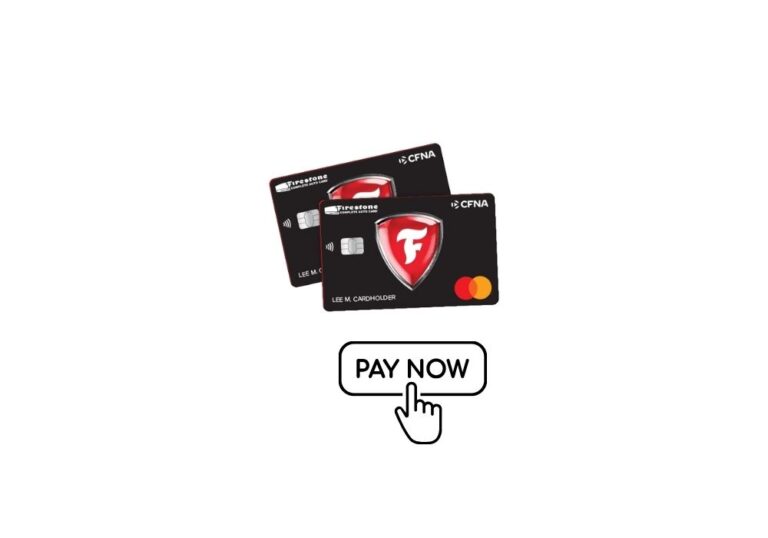
Though Firestone sells the tires, the bank behind the card is Credit First National Association, or CFNA.
All payments go to CFNA, not to the shop where you purchased your brakes.
Once you know that, the rest is simple. You can pay online or in the myCFNA app, call in a payment, or mail a check. Each method has its own timing quirks, and those quirks can make your payment show up on time or a day late.
This guide covers how each method works, what to have on hand, and where people lose money without noticing.
How to Make a Firestone Credit Card Payment
Before you dive in, dig out your latest statement and your card. The statement shows your due date, minimum payment, and mailing address, and the back of the card has the customer service number. Gone paperless? Your online account shows the same details.
It also helps to know which card you hold. The standard Firestone Credit Card works at participating automotive retailers. The Firestone Mastercard, however, works anywhere merchants take Mastercard. So let’s cut tho the chase.
Pay Via Online or in the app
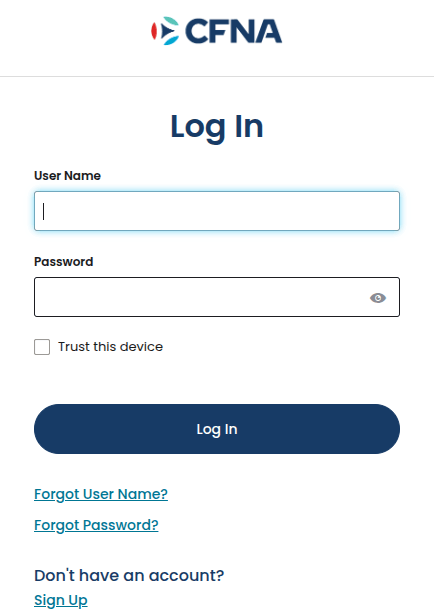
- This is the quickest of all the methods that most users prefer. Just log in at cfna.com or through myCFNA Mobile, open the Payments tab, and pay from your checking account.
- Next up, enter the bank’s routing number and your account number, choose an amount, and confirm. Firestone’s own card page describes exactly this flow, including setting up recurring payments from the same screen.
- Ensure you pick the amount carefully. The system lets you pay the minimum, the full statement balance, or a custom amount.
No online account yet? You can create one on CFNA’s site using your card’s credentials. Ensure that you’re landing on the official website.
By phone
Call the number on the back of your card. CFNA’s agreement lists 800-321-3950 for the standard Firestone CC and 833-402-1481 for the Firestone Mastercard.
You can use the automated system or speak to a representative. Have your bank account and routing numbers ready, plus your card number, so you’re not digging through drawers while the line waits.
Phone payments are quite useful when you don’t have an online account, or when you’re stuck with a due date that’s tomorrow and want a person to confirm the payment went through.
If a rep takes your payment, write down the confirmation number before you hang up. Whether any fee applies to a particular type of phone payment is worth asking the rep directly, since fees on pay-by-phone options have varied over the years and I couldn’t confirm a current figure in CFNA’s published documents.
By mail
Send a personal check or money order, in U.S. dollars, along with the payment coupon from your statement. The mailing address is printed on that coupon, and it’s the one to use.
Don’t send cash. CFNA also says not to send a check marked “payment in full” or something similar, because those go to a separate dispute department and can slow things down.
The only caveat is that mail is the slowest option and can result in paying late fees.
However, if you opt for this method, ensure you mail it a week or more ahead of the due date. What’s best is to write your account number on the check even if you’ve got your coupon.
You might like: the methods to pay your Ally Auto loan
When Your Payment Counts as On Time
Here’s where the details matter. CFNA’s agreement spells out cutoffs, and they’re not the same for every method.
For mailed payments, CFNA must receive the check at the payment address by 5 p.m. Eastern Time to have it credited that business day.
Anything arriving after 5 p.m. ET gets credited the next business day. Notice it says received, not postmarked. A check dropped in a mailbox on the due date is already late.
For payments made on the CFNA website, the app, the automated phone system, or with a representative, the agreement says payments made before 11:59 p.m. ET are credited as of that business day. There’s a catch, though.
The same section says payments made after 5 p.m. ET may not show up on your account for one to two business days. So the credit date and the date it appears on your balance can differ.
That’s fine as long as the credit date is on or before your due date, but if you’re cutting it close, that’s when to pay earlier in the day and check your account afterward.
Weekends and holidays aren’t business days, which is why a Saturday payment often looks like it posted Monday. If your due date falls on a weekend, treat the Friday before as your real deadline, and you’ll avoid most of the headaches.
A practical habit: pay a few days early. It costs nothing, and it gives you room if your bank hiccups or the payment gets bounced.
If you want a safety net on top of that, set up recurring payments for at least the minimum, then top up manually when you can. Just keep enough in your checking account, because a returned payment carries its own fee.
How Much You Should Pay
You’ll see a minimum payment on every statement, and it’s tempting to stop there. According to CFNA’s pricing sheet for its standard Firestone card, the minimum is the greater of 4.4% of your new balance (rounded up to the next dollar) plus any past-due amounts and unpaid fees, or $29.
It never exceeds your total balance. Your own statement is the final word, since terms can differ by card and change over time.
The bigger question is interest. Firestone advertises special financing on qualifying purchases, and the structure matters. The 6-month option is deferred interest on purchases of $149 or more.
If you pay that purchase off in full within six months, you owe no interest on it. If even a small part remains after the deadline, interest gets charged from the original purchase date.
Firestone’s page also lists limited-time 9-month and 12-month versions for larger purchases ($1,000 to $1,499 and $1,500 or more), with qualifying transactions needing to be completed by April 30, 2027.
Let’s put numbers on it. Say you buy a set of tires for $1,200 on a 6-month plan. The minimum payment might come to around $53 a month, since 4.4% of $1,200 is $52.80.
Pay only that for six months, and you’d still owe roughly $880. CFNA’s current rates are 34.990% APR on the standard Firestone card and 33.490% on the Firestone Mastercard.
On the standard card, interest on a $1,200 purchase running for about half a year works out to roughly $200 or more, and it would all land on your account at once.
To actually beat the deadline, divide the purchase by the number of months and pay that amount, which here is $200 a month.
CFNA also notes that payments above the minimum go first to an expiring promotional balance in the last two billing cycles, but don’t lean on that. Plan the full payoff yourself.
Rates are variable on the Mastercard and can change, so check your statement for what applies to you.
Late Fees and What to Do If You Slip
Miss a due date, and CFNA can charge you a late payment fee. According to CFNA’s pricing sheet, the fee is the lesser of $30 or your minimum payment due. It climbs to $41 if you missed a minimum payment by the due date in any of the previous six billing cycles.
A returned payment, like a bounced check or a failed bank draft, works the same way. CFNA can charge up to $30, or up to $41 on a repeat.
That said, the fee is only the tip of the iceberg. The same sheet lists a penalty APR of 39.99%, and CFNA can apply it if you fail to make a required payment, make two late payments in any 12 months, or have a payment returned.
It stays until you make six consecutive on-time minimum payments. A late payment may also reach the credit bureaus, which can hurt your credit.
If you’ve already missed the date, pay as soon as you can. Then call the customer service number on the back of your card and ask whether CFNA can review the fee, especially if you’ve paid on time before. However, CFNA makes no promise to waive it. Having said that, a polite call costs nothing, albeit the answer might be no.
Also check your statement for the promotional balance. A late payment on a deferred-interest purchase can jeopardize that deal, so sort out where it stands.
Before you pay, make sure you’re on the right site. CFNA issues the card, so any page that asks for payment under another bank’s name isn’t the place.
FAQ
You pay CFNA, the bank that issues the card.
No, Firestone lists online, phone, and mail only. It doesn’t support store payments, so don’t count on it. Use one of the three CFNA methods.
You can find it on the back of your card. CFNA offers 800-321-3950 for the standard Firestone CC and 833-402-1481 for the Firestone Mastercard.
If you make an Online, app, or phone payment before 11:59 p.m. ET, it will be credited as of that business day. And payments after 5 p.m. ET may take one to two business days to appear on your account. Besides, mailed checks should arrive at CFNA by 5 p.m. ET to be credited that day.
Yes. You can set up Autopay after signing in to your account. You can schedule recurring payments from the Payments section.
For the standard card, it should be 4.4% of the new balance plus any past-due amounts and fees, or $29. You can check your statement for the exact figure.